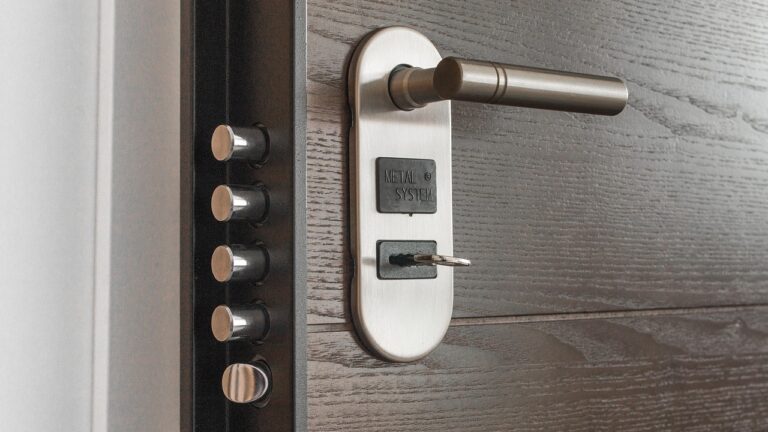
If you think about a locksmith, the first picture that pops into your mind is someone who opens doors, fixes locks, and provides people with access when they are locked out. At first, this profession might seem worlds apart from nonprofits. But on closer inspection, locksmiths and nonprofits have something in common. Both are in the business of unlocking doors, not simply physical doors, but also opportunities, hope, and solutions that improve lives. As locksmiths are trained to unlock doors, nonprofits also become experts through nonprofit marketing trainingto help people get many opportunities.
Providing Access to What People Need
Locks are primarily used for access. For example, when a family is locked out of their home or when a business needs increased security, locksmiths restore peace of mind by opening doors. Nonprofits, on the other hand, are also in the field of access – they bring access to people to resources such as education, healthcare, and shelter, or even to social support.
They both work toward the mission of enabling someone to move forward. A door opens safe for an individual in a warm home; likewise, a nonprofit opens doors to opportunities that have been shut.
Solving Problems Under Pressure
Locksmiths are often called in emergencies, such as being locked out at night or just before a broken lock invites a security breach. Nonprofits often work under the impact of urgent necessity. They feed the hungry, shelter the homeless, mitigate disasters, or deal with social issues on the fast track.
Both work under pressure. A locksmith immediately assesses their options to open a lock without damaging it. Nonprofits must act quickly to resolve the challenge at hand and develop strategic long-term responses.
Building Trust Through Service
Because they safeguard homes and businesses, locksmiths must be implicitly trusted. Reputation is fundamentally constructed by honesty, skill, and reliability in locksmiths, which is the way nonprofit agencies function. Donors, volunteers, and beneficiaries have to believe that their funds are in good hands, that their resources are utilized responsibly, and that these organizations stay true to their mission.
The trustworthiness forms the basis for both instances. Just as locksmiths are built by word-of-mouth recommendations, nonprofits gain strength with the community when they can gain trust.
Specialized Skills and Constant Learning
Locksmiths need to be trained to understand various locking devices and the emerging technologies, as well as security systems. Nonprofits will also keep updating their knowledge in areas such as fundraising, outreach to communities, and nonprofit marketing training. Since digital tools keep changing faster with social media and data-driven strategies, nonprofits need to keep learning to remain effective.
Just like there are lock upgrades per locksmith, so is sharpening tools at the nonprofit training on fundraising, advocacy, and awareness creation.
Unlocking More Than Just Doors
Locksmiths are one of the most underestimated professionals. They are not just door openers but also offer relief, safety, and peace of mind. The other service-providing agents are the nonprofits that unlock potential and opportunities toward bright futures. Both categories work for the greater good of society when people are most vulnerable.
Locksmiths and nonprofits certainly may seem like two very different professions, yet the unifying task of unlocking doors is a mission that each proclaims every single day. The locksmiths offer physical access, whereas nonprofits provide social and emotional access to opportunities that change lives. Both involve a lot of trust built on skills, which are constantly learned, from lock mastering to nonprofit marketing training.
By unlocking doors, both locksmiths and nonprofits teach us that the smallest actions, such as turning a key or lending a hand, sometimes have the greatest impact.